
How Can Custom Promotional Products Transform Your Small Business Marketing Strategy?
Understanding the Power of Branded Merchandise in Local Markets
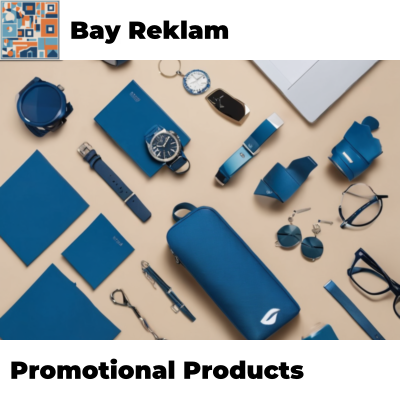
Custom promotional products represent far more than simple giveaways or trinkets gathering dust in office drawers. They function as tangible extensions of brand identity, creating memorable touchpoints between businesses and their target audiences. When executed thoughtfully, these items become conversation starters, utility items that customers actually use, and subtle reminders of your company's existence every single day.
The psychology behind promotional products operates on several interconnected levels. First, there's the reciprocity principle—when someone receives a useful item bearing your company name, they experience a subtle psychological obligation to remember your business favorably. This isn't manipulation; it's a natural human tendency rooted in social norms. Someone who receives a high-quality pen, coffee mug, or phone charger with your logo feels a genuine connection that generic advertising simply cannot replicate.
Small businesses competing against larger corporations need every advantage possible. Promotional products level the playing field by providing affordable ways to build brand awareness, generate leads, and strengthen customer loyalty. Unlike expensive television commercials or billboard advertisements that blast messages at passive audiences, promotional merchandise creates active engagement. When a customer uses your branded item, they're voluntarily participating in your marketing campaign.
The Psychology of Keeping Branded Items
Research consistently demonstrates that recipients of promotional products experience increased brand recall compared to those exposed solely to digital advertising. The physical interaction with merchandise engages multiple sensory pathways in the brain. Touching a smooth metal pen, reading your company name printed on its barrel, and using it repeatedly for actual work creates neural pathways that traditional ads simply cannot establish.
Most promotional products get kept for extended periods. Studies show that approximately seventy-five percent of people who receive branded merchandise retain the items for over a year. During that entire time, your brand remains visible in their homes, offices, and vehicles. Every glance reinforces your company's presence in their consciousness.
Why Demographic Targeting Matters for Small Businesses
Small businesses often operate with limited marketing budgets, making strategic targeting essential. Selecting appropriate promotional products requires understanding your specific audience demographics, their daily habits, and what items would genuinely benefit them. A tech startup's target audience would appreciate wireless charging pads or custom USB drives, while a dental practice might focus on toothbrush holders or water bottles emphasizing health and wellness messaging.
Selecting the Right Promotional Products for Your Business Niche
Not all promotional merchandise serves equal purposes across different industries. The selection process demands careful consideration of multiple factors working in concert. Your choice should reflect your brand values, appeal directly to your target market, and provide genuine utility rather than becoming waste.
Categories of High-Impact Promotional Items
Several categories of promotional products consistently deliver strong results across various business types:
Wearable items including t-shirts, hats, hoodies, and jackets create mobile billboards as customers wear them throughout their daily lives. These items naturally generate brand visibility in public spaces where potential new customers might notice them.
Drinkware products such as insulated tumblers, coffee mugs, and water bottles see frequent daily use. Someone carrying your branded water bottle to the gym, workplace, or while running errands ensures consistent brand exposure.
Desk and office supplies including pens, notepads, desk organizers, and mouse pads remain visible during work hours when professionals spend significant portions of their time.
Technology-related merchandise like phone stands, screen cleaners, USB drives, and charging cables appeal particularly to business-to-business sectors and younger demographics who prioritize functionality.
Outdoor and recreational items such as coolers, camping equipment, beach towels, and fitness accessories reach audiences during leisure time when they're often surrounded by friends and family.
Home goods including kitchen items, storage solutions, and decorative pieces integrate your brand into customers' personal living spaces.
Each category serves different purposes depending on your industry and target demographic. An architectural firm might emphasize desk organizers and high-quality pens to appeal to design-conscious professionals. A gym or fitness center would naturally gravitate toward water bottles, athletic wear, and training accessories that reinforce their core business mission.
Evaluating Quality and Durability Standards
The quality of your promotional products directly correlates with how they reflect on your brand. Cheap, flimsy merchandise that breaks within weeks communicates that your actual business services lack durability or care. Conversely, well-constructed items suggest your company maintains high standards throughout all operations.
Several quality indicators deserve careful attention:
- Material composition determines both longevity and perceived value. Items manufactured from premium materials feel substantial and professional.
- Manufacturing precision addresses details like even stitching on garments, smooth printing without smudges, and properly aligned logos.
- Functionality tests ensure items actually work as intended. Pens should write smoothly, zippers should glide without sticking, and storage items should accommodate typical items without failure.
- Color fastness guarantees that logos and designs maintain vibrant appearance after repeated use, washing, or exposure to sunlight.
Investing slightly more per unit in quality merchandise produces better long-term brand reputation than distributing cheaper alternatives. Recipients notice the difference, and that perception transfers directly to how they view your business.
Strategic Distribution Methods for Maximum Impact
Simply acquiring promotional products accomplishes nothing without thoughtful distribution strategies. The timing, location, and context of distribution dramatically influence whether recipients keep and use items or discard them immediately.
High-Impact Distribution Opportunities
Several distribution scenarios create natural moments when recipients feel genuinely pleased receiving merchandise rather than viewing it as unwanted advertising:
Trade shows and industry events provide concentrated audiences already interested in your business category. Distributing branded items in this context feels appropriate and expected by attendees actively seeking business connections.
Seasonal promotions and holiday campaigns align merchandise distribution with existing customer goodwill moments. Giving branded items during holidays feels generous rather than purely promotional.
Customer appreciation initiatives demonstrate genuine gratitude by providing premium items to loyal repeat customers. This reinforces relationship building and encourages continued patronage.
New client onboarding creates opportunities to welcome new customers with branded merchandise, establishing positive first impressions and setting professional standards.
Employee incentive programs use promotional items as rewards for achievement, boosting morale while creating additional brand ambassadors who wear or use company-branded merchandise throughout their personal lives.
Sponsorship of community events allows distribution within contexts where your business aligns with community values and interests. Recipients receive items within supportive environments rather than feeling sold to.
Grand openings or anniversary celebrations provide occasions where customers expect special giveaways and promotional items feel especially appropriate.
Understanding Context-Dependent Reception
The same promotional product receives vastly different reactions depending on distribution circumstances. A branded pen given to someone standing in line at a networking event feels like a natural business exchange. That identical pen mailed unsolicited to someone's home might get discarded without consideration. Context fundamentally shapes whether recipients perceive promotional items as valuable or intrusive.
Small business owners should evaluate their specific customer touchpoints and identify moments when merchandise distribution aligns naturally with customer expectations and emotional states. This strategic approach transforms promotional products from random giveaways into integral components of comprehensive marketing strategies.
Designing Memorable Branded Merchandise That Reflects Your Business Identity
The visual identity applied to promotional products requires the same strategic consideration that goes into website design, logo development, and overall brand messaging. Poorly designed branded merchandise undermines your brand rather than strengthening it. Conversely, thoughtfully designed items become keepsakes that recipients genuinely appreciate and retain.
Logo Placement and Design Considerations
Effective logo placement balances visibility with aesthetic appeal. Oversized logos occupying most of a garment's surface appear tacky and unprofessional. Appropriately sized logos integrated smoothly into design create sophisticated, wearable pieces that recipients willingly use without feeling like walking advertisements.
Key considerations for logo implementation include:
- Proportional sizing ensures logos remain visible without dominating the entire item
- Color selection must coordinate with item base colors while maintaining sufficient contrast for visibility
- Placement location should enhance rather than distract from the item's functionality and appearance
- Design complexity requires balance between distinctive branding and practical printing constraints
Complementary Design Elements
Beyond logo placement, thoughtful design incorporates secondary elements that reinforce brand messaging without becoming cluttered. Contact information, website URLs, or brief taglines reinforce key messaging when thoughtfully integrated. However, cramming excessive text onto promotional items creates visual chaos that undermines professional appearance.
Selecting complementary colors based on your established brand palette creates cohesive visual experiences across all promotional materials. If your company uses specific brand colors consistently across signage, website, and printed materials, applying those same colors to promotional products creates reinforcing familiarity that strengthens brand recognition.
Typography choices matter considerably. Fonts that reflect your brand personality—whether sophisticated and corporate, casual and friendly, or innovative and contemporary—communicate through visual style beyon
d mere words. A law firm using elaborate serif fonts on promotional items communicates differently than a creative agency using modern sans-serif typefaces. These visual choices operate subconsciously but influence how recipients perceive your entire business.
Incorporating Sustainability and Ethical Considerations
Modern consumers increasingly value businesses demonstrating environmental and social responsibility. Selecting promotional products manufactured from sustainable materials, produced through ethical labor practices, and designed for longevity communicates values that resonate with conscientious customers. This alignment between promotional product choices and business values creates authentic brand messaging rather than hollow corporate gestures.
Eco-friendly options include items manufactured from recycled materials, organic cotton apparel, bamboo products, and reusable alternatives to single-use items. These choices often cost slightly more but attract environmentally conscious customers who appreciate businesses taking responsibility seriously. For many small businesses, demonstrating commitment to sustainability becomes meaningful differentiator from larger competitors.
Calculating Return on Investment for Promotional Product Campaigns
Small business owners naturally focus on financial efficiency. Understanding how promotional products generate measurable returns justifies marketing expenditures and guides budget allocation decisions. While some returns prove difficult to quantify precisely, strategic implementation produces trackable results that demonstrate clear value.
Measuring Brand Awareness and Recall
Direct measurement of brand awareness improvements involves surveying recipients about their recollection of your company. Comparing recall rates among groups receiving promotional items versus control groups not receiving merchandise illustrates the impact quantitatively. Even informal surveys with existing customers asking which marketing touchpoints they remember most provides valuable insight into promotional product effectiveness.
Web analytics tracking also reveals indirect returns. Include unique discount codes or landing page URLs printed on promotional items, then monitor traffic from those specific sources. This method connects physical items directly to digital engagement, creating clear attribution trails showing customer journey progression from merchandise receipt through actual purchase.
Tracking Customer Acquisition and Retention
Promotional products distributed at strategic moments often correlate with increased customer acquisition. Tracking new customer sources—asking how they initially heard about your business—frequently reveals that recipients of promotional merchandise from referrals or events become customers at higher rates than those exposed to other marketing methods.
Retention metrics similarly improve when promotional products strengthen customer relationships. Loyalty programs incorporating exclusive merchandise access encourage repeat purchases and long-term customer relationships. Tracking repeat purchase rates among customers receiving promotional items versus those who don't demonstrates clear retention benefits.
Cost Per Impression Analysis
Calculating cost per impression compares the total promotional product campaign expense against total estimated impressions generated. If purchasing 500 branded t-shirts costs $2,500 and each recipient wears the shirt an average of 20 times reaching approximately 500 people per wearing through visibility, the total impressions number 5 million. This produces a cost per impression of $0.0005—substantially lower than most traditional advertising methods.
While this calculation contains estimations, comparative analysis across multiple campaigns reveals patterns showing which promotional product types generate strongest impression metrics relative to investment. Over time, historical data informs better decision-making about inventory sizes and product selections.
Sales Attribution and Revenue Tracking
Direct sales attribution proves more challenging but remains achievable with intentional tracking systems. Implementing unique discount codes distributed exclusively through promotional products allows precise tracking of resulting sales. Similarly, using distinct phone numbers or email addresses printed on merchandise enables call and inquiry tracking directly attributable to those specific items.
For business-to-business relationships, promotional products often initiate conversations that eventually become significant contracts. While the promotional item alone didn't generate the entire revenue, it functioned as essential conversation starter enabling relationship development that ultimately produced sales. Documenting these connection points—even informally—demonstrates genuine business value.
Local Distribution Networks and Bay Reklam's Advantage for Nearby Small Businesses
Small businesses operating within specific geographic areas benefit tremendously from working with locally-based promotional product providers who understand regional markets, customer preferences, and community contexts. Bay Reklam operates as a local advertising and signage business offering creative marketing, print, and promotional services specifically designed for businesses throughout the surrounding area.
Understanding Local Market Dynamics
Regional suppliers inherently understand local market characteristics that national distributors miss entirely. They recognize which promotional product categories resonate most strongly with local demographics, what seasons drive highest customer engagement, and which industries dominate the local business landscape. This localized knowledge transforms generic promotional product recommendations into strategically appropriate selections tailored to specific community contexts.
A promotional product perfect for a coastal California community might prove completely inappropriate for inland or northern regions experiencing different climates, demographics, and seasonal patterns. Local providers recognize these nuances and guide businesses toward selections that genuinely resonate with target audiences rather than pushing standardized offerings designed for generic national markets.
Building Relationships with Regional Specialists
Partnering with local promotional product providers creates ongoing relationships where specialists learn your business intimately over time. Rather than starting fresh with each order, established relationships mean providers already understand your brand identity, target market, previous campaigns, and evolving business needs. This continuity enables increasingly sophisticated campaign planning that builds upon previous successes and learns from past experiences.
Local relationships also facilitate flexibility and customization impossible with distant national suppliers. When unexpected opportunities arise—sponsoring community events, responding to customer requests, or launching impromptu campaigns—local providers can often accommodate rush orders and custom requests that national distributors cannot quickly fulfill.
Supporting Local Economic Growth
Choosing local promotional product providers contributes directly to community economic development. Revenue stays within the local economy, supporting local jobs and reinvesting in community infrastructure. Many small business owners find meaningful value in supporting other local enterprises, creating reciprocal business relationships that strengthen overall community economic resilience.
Creative Campaign Ideas Specific to Small Business Contexts
Promotional product effectiveness multiplies when campaigns incorporate creative concepts moving beyond simple logo placement on generic items. Strategic campaign ideas transform promotional merchandise from standard giveaways into memorable brand experiences that recipients discuss with others, multiplying campaign impact beyond initial distribution.
Seasonal Campaign Strategies
Seasonal campaigns naturally align with customer mindsets and spending patterns. Summer campaigns might emphasize outdoor and recreational items like branded coolers, beach towels, or portable phone chargers perfect for vacation travel. Fall campaigns could highlight back-to-school items for businesses serving families, while winter campaigns effectively distribute cozy apparel or holiday-themed merchandise.
Holiday seasons provide particularly fertile ground for creative campaigns. Businesses might develop limited-edition holiday-specific merchandise creating sense of exclusivity and urgency. Customers appreciate seasonal variations that feel thoughtfully crafted rather than identical year-round items.
Event-Specific Merchandise Collections
Creating unique merchandise for specific events—grand openings, anniversaries, sponsorships—makes items feel special and collectible. Customers receiving event-specific merchandise often retain items indefinitely as commemorative tokens rather than discarding them as generic promotional products. Including event dates, location, or special messaging creates unique items with personal significance exceeding standard promotional merchandise.
Educational and Utility-Focused Campaigns
Promotional items incorporating genuine educational value or solving customer problems generate appreciation beyond typical merchandise. A financial planning company might distribute branded calculators or budgeting workbooks. A home improvement business could provide measuring tapes or comprehensive renovation checklists. These utility-focused items position your business as genuinely helpful rather than purely promotional.
Tiered Loyalty Program Merchandise
Implementing tiered loyalty systems where repeat customers earn increasingly premium merchandise creates compelling reasons for continued patronage. Early customers receive basic items, while long-term loyal customers unlock access to exclusive, higher-quality merchandise. This approach transforms promotional products into tangible rewards recognizing customer loyalty while encouraging continued business.
Inventory Management and Storage Considerations for Small Businesses
While promotional products generate significant marketing value, physical storage and inventory management present practical challenges that small businesses must address systematically. Effective inventory approaches balance maintaining sufficient stock for spontaneous distribution opportunities against warehousing costs and storage space limitations.
Determining Appropriate Order Quantities
Ordering too much inventory ties up limited capital while consuming valuable storage space. Conversely, ordering insufficient quantities means missing distribution opportunities when customers expect merchandise availability. Strategic quantity calculations balance these competing concerns by analyzing distribution patterns, seasonal variations, and realistic usage rates.
Small businesses typically benefit from moderate orders refreshed regularly rather than massive purchases held indefinitely. This approach reduces warehouse burden while maintaining adequate inventory for ongoing operations. Quarterly or biannual ordering typically works well, adjusted based on actual usage patterns and upcoming planned campaigns.
Strategic Storage Solutions for Limited Space
Businesses operating from modest office spaces need creative storage approaches that don't consume excessive room. Vertical shelving, compact storage containers, and organized inventory systems maximize limited storage capacity. Some businesses partner with local fulfillment services handling inventory storage and distribution, eliminating onsite storage requirements entirely while maintaining accessibility when items are needed.
Rotation and Stock Management Systems
Implementing first-in-first-out inventory rotation ensures older stock gets used before newer arrivals, preventing merchandise deterioration from extended storage. Simple tracking systems—whether digital or physical—document quantity levels, usage rates, and reordering timelines. This prevents the common scenario where businesses discover years-old inventory they forgot about while missing current distribution opportunities.
Building Long-Term Brand Strategy Around Promotional Products
Viewing promotional products as isolated marketing tactics misses their true potential as components of comprehensive long-term brand strategies.